
Why Dating Apps Feel Broken in Canada — And What Canadian Singles Are Doing About It in 2026
Fake profiles, ghosting, swipe fatigue… Canadian singles are fed up with mainstream dating apps. Here's what's actually wrong with the model — and why a new wave of local platforms is changing the game.
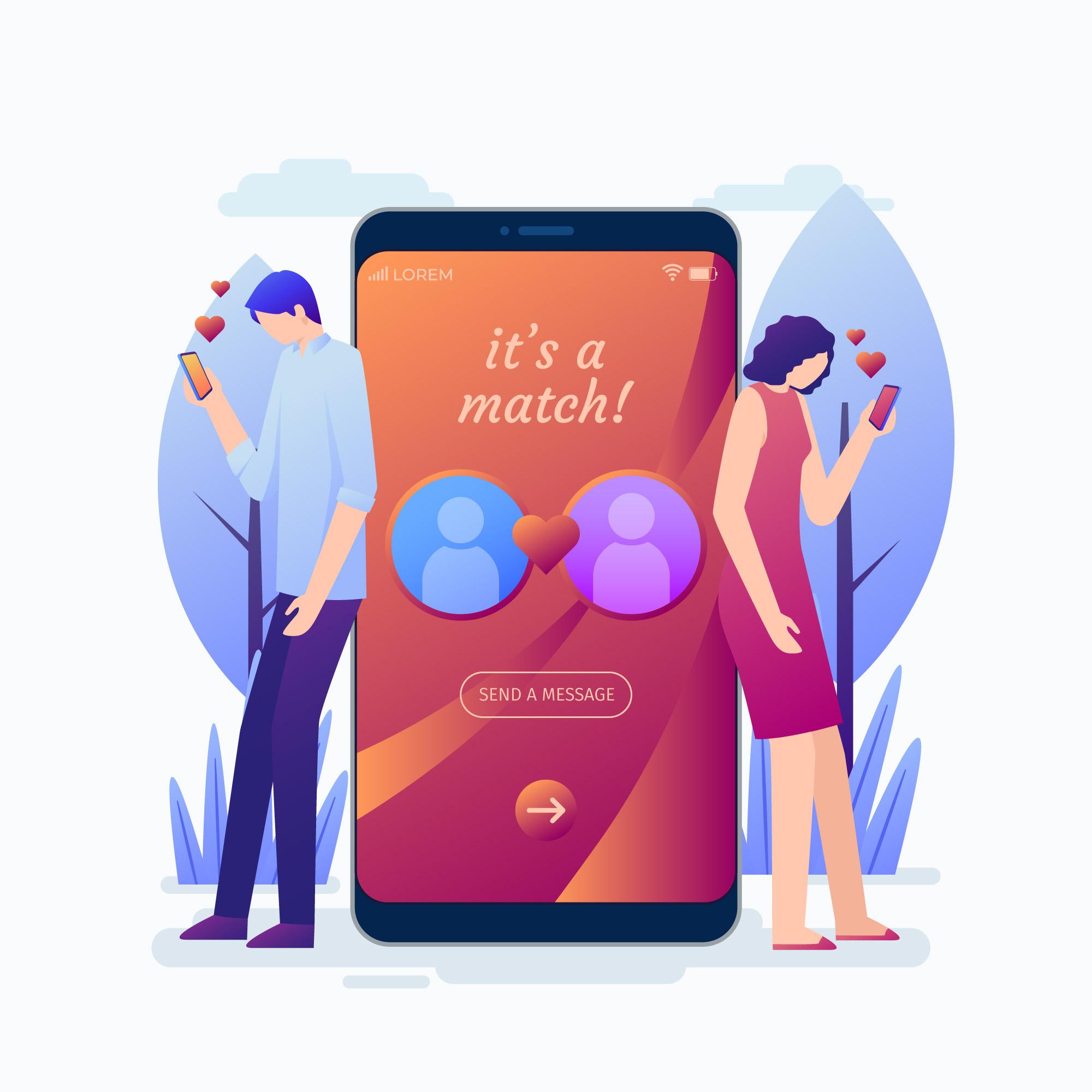
You're not bad at dating. The apps are bad at helping you.
You've been on Tinder, Bumble, Hinge — maybe all three at once. You've written a decent bio, picked your best photos, and swiped until your thumb went numb. And yet, here you are: still single, still frustrated, and starting to wonder if the problem is you.
It's not you. It's the model.
Mainstream dating apps weren't built to help you find someone. They were built to keep you swiping. The longer you stay frustrated but hopeful, the more likely you are to pay for boosts, super likes, and premium subscriptions that rarely change the outcome. In 2026, Canadian singles are starting to see through the game — and they're looking for something different.
What's actually wrong with dating apps in Canada
The problems with mainstream dating platforms aren't bugs — they're features. Understanding how these apps work against you is the first step toward a better experience.
The gender imbalance is real. On most platforms, men significantly outnumber women. That means women are overwhelmed with low-effort messages while men compete for scraps of attention. Neither side has a good time, but the app profits from both.
Fake profiles are everywhere. Romance scams cost Canadians millions every year, and the major apps have been slow to implement meaningful verification. A blurry photo and a one-line bio shouldn't be enough to create an account in 2026 — but on most platforms, it still is.
The swipe model kills connection. Reducing someone to a photo and a first name trains your brain to judge in under a second. There's no room for personality, humour, or chemistry — the things that actually matter when you meet in person.
And then there's the Canada-specific problem: geography. In a country this vast, with populations spread across huge distances, the big American apps often show you the same recycled profiles or matches hundreds of kilometres away. If you're not in downtown Toronto or Vancouver, your dating pool shrinks fast.
Swipe fatigue is real — and it's affecting your mental health
Studies consistently show that heavy dating app use is linked to lower self-esteem, increased anxiety, and a distorted sense of self-worth. The cycle is predictable: you swipe, you match, you chat, you get ghosted, you doubt yourself, and you swipe again.
Research has found that only about 37% of people on dating platforms feel the experience has done them more good than harm. That means nearly two-thirds of users walk away feeling worse than when they started.
For women, the toll is often emotional — an inbox full of disrespectful messages, unsolicited photos, and conversations that evaporate overnight. For men, it's the silence — sending dozens of thoughtful messages that never get a response, because the person on the other end is buried under hundreds of notifications.
Neither experience is healthy. And both are by design.
Why Canada deserves platforms built for Canadians
Here's something most people don't think about: Tinder was built in Los Angeles. Bumble was built in Austin. Hinge was built in New York. These apps were designed for the American dating culture — a culture that doesn't always translate to Canada.
Canadians tend to value directness without aggression, authenticity over performance, and respect as a baseline, not a bonus. The hyper-gamified, swipe-based model of American apps often clashes with how Canadians actually want to connect.
There's also the bilingual reality. Over 7.8 million Canadians speak French as a first language, and millions more are bilingual. In cities like Ottawa-Gatineau, Montreal, and Moncton, people date across language lines every day — but most apps don't account for that at all.
The result? A growing number of Canadian singles are gravitating toward local platforms that understand the cultural landscape, support both languages, and prioritize real connections over engagement metrics.
What Canadian singles actually want in 2026
After years of swiping, the wish list isn't complicated. It's just been ignored by the big platforms.
- Verified profiles: Knowing the person behind the screen is real. Not a bot, not a scammer, not a five-year-old photo. Actual identity verification before someone can message you.
- Clear intentions from the start: Whether you're looking for something serious, casual, or exploratory — being upfront saves everyone's time. No guessing games, no awkward revelations three dates in.
- A platform that doesn't punish you for not paying: Free tiers that are actually usable, not stripped-down experiences designed to frustrate you into upgrading.
- Safety that goes beyond a 'block' button: Proactive moderation, photo verification, and real consequences for bad behaviour — not just a report form that goes nowhere.
- A local feel: Matching with people in your actual area who share your cultural context, not profiles from another province algorithmically pushed to fill your feed.
The new wave: local platforms built with a different philosophy
Across Canada, a new generation of dating platforms is emerging — built by Canadians, for Canadians, with a fundamentally different approach to online connection.
Qupidr is one of them. Built in Quebec as a web-based dating platform, Qupidr was designed from the ground up to fix the problems that mainstream apps ignore.
Every profile on Qupidr is verified. Intentions are displayed upfront — serious, casual, open, exploratory — with zero judgment. The platform serves all demographics, including LGBTQ+ singles and couples, because real dating in 2026 doesn't fit into a single box.
And here's a key difference: Qupidr is free for women. Fully free — not a stripped-down version with paywalls. The philosophy is simple: if you build a platform where women feel safe and respected, everyone benefits. Men get to interact with real, engaged users instead of ghost profiles. Women get an experience that doesn't treat them as a product.
Because Qupidr is a web platform, there's no app to download — you sign up and start browsing from any device, instantly. No app store, no storage space, no waiting. Just open your browser and go.
What you can do right now to improve your online dating experience
Whether you're sticking with a mainstream platform or trying something new, these habits will protect your time and your mental health.
- Set a daily time limit: 15-20 minutes of swiping, max. The infinite scroll is engineered to keep you hooked, not to help you find someone.
- Be honest about what you want: Put your intentions in your bio. The right people will appreciate the clarity, and the wrong ones will filter themselves out.
- Don't invest emotionally before meeting: A great text conversation is not a relationship. Keep things light until you've met in person.
- Ask for a video call before a first date: It's the fastest way to verify someone is real and see if there's a basic vibe. Anyone serious will say yes.
- Take breaks without guilt: Deleting an app for two weeks isn't giving up. It's resetting. The matches will still be there when you come back — or you'll realize you didn't miss them.
You deserve better than the swipe machine
The dating app industry is worth billions globally. But the metric they optimize for isn't your happiness — it's your screen time. The longer you stay lonely but hopeful, the more money they make.
In 2026, Canadian singles don't have to settle for platforms that weren't built for them. Whether you choose Qupidr or another local alternative, the point is the same: look for a platform that treats you like a person, not a data point.
Real connections happen when the right people meet in the right environment. And the right environment isn't an algorithm designed to keep you swiping — it's a space designed to let you be yourself and find someone who's looking for exactly that.
Qupidr is currently free.
Verified profiles, private media, consent at the centre of every interaction.
Read next
 Dating & AdviceDating After 40 in Quebec: A No-Taboo Guide for 2026Single after 40 in Quebec? Discover the best strategies, apps, and advice to build a fulfilling love life — without pressure or judgment.7 min
 Dating & AdviceDating App Scams in Canada: How to Spot and Avoid Them in 2026Fake profiles, catfishing, romance scams… Learn to recognize the red flags on dating apps in Canada and protect yourself before it's too late.7 min
 Dating & AdviceCouples Seeking Third in Quebec: How to Approach It OnlineYou are a couple looking for a third person in Quebec? Here is how to approach this search online with respect and effectiveness in 2026.8 min